banner

Denmark in Pakistan

Denmark in Pakistan

Over the years, Denmark and Pakistan have developed a strong partnership centered on sustainability, climate action, renewable energy, and inclusive green growth. Drawing on Denmark’s global leadership in clean energy, climate governance, circular economy practices, and sustainable urban development, the two countries are increasingly collaborating to support Pakistan’s transition towards a climate-resilient and low-carbon future. Through policy dialogue, technical cooperation, capacity building, and knowledge exchange, Denmark is contributing to strengthening Pakistan’s climate adaptation efforts, renewable energy ambitions, green skills development, and sustainable development planning. This partnership reflects a shared commitment to advancing the Sustainable Development Goals (SDGs), promoting climate-smart economic growth, accelerating the energy transition, mobilizing green investments, and ensuring that climate action generates equitable social and economic opportunities for vulnerable communities.
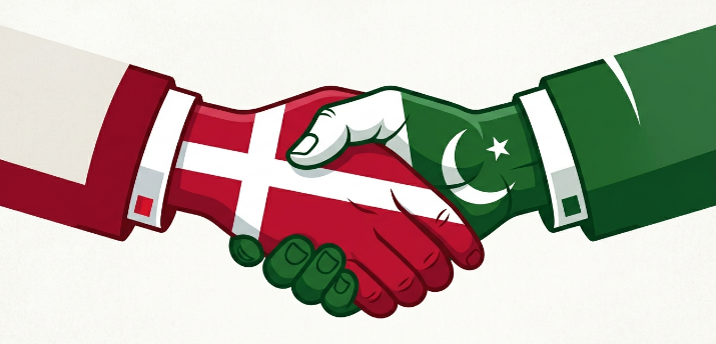
deninpak

Green Framework Engagement between Pakistan and Denmark

The Green Framework Engagement, a flagship initiative between Denmark and Pakistan signed in August 2022, is a five-year bilateral cooperation framework (2023-2027) establishing concrete, jointly implementable actions that reflect both countries’ national priorities. Aligned with the 2030 Agenda’s SDGs and the Paris Agreement, the Green Framework Agreement is built around three pillars:


  1. Political & Bilateral Cooperation
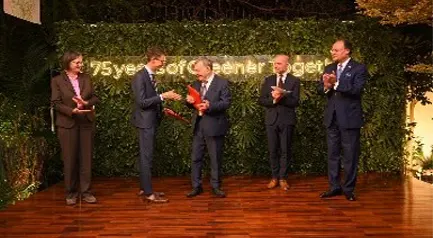
    With this agreement, Denmark and Pakistan hope to intensify their bilateral and multilateral cooperation based on a strong, transparent, and rules-based system with respect for human rights and international law, while continuing to structure dialogue on matters of mutual interest. The partnership has already seen meaningful high-level engagements, including a visit by Denmark's Minister for Development and Climate Change in June 2023 and the Danish State Secretary for Foreign Policy in November 2024 to mark 75 years of diplomatic relations. A significant multilateral milestone was also achieved with both Pakistan and Denmark elected as members of the UN Security Council for 2025-2026, reinforcing their shared standing in global governance.
  2. Green Transition and Climate Change
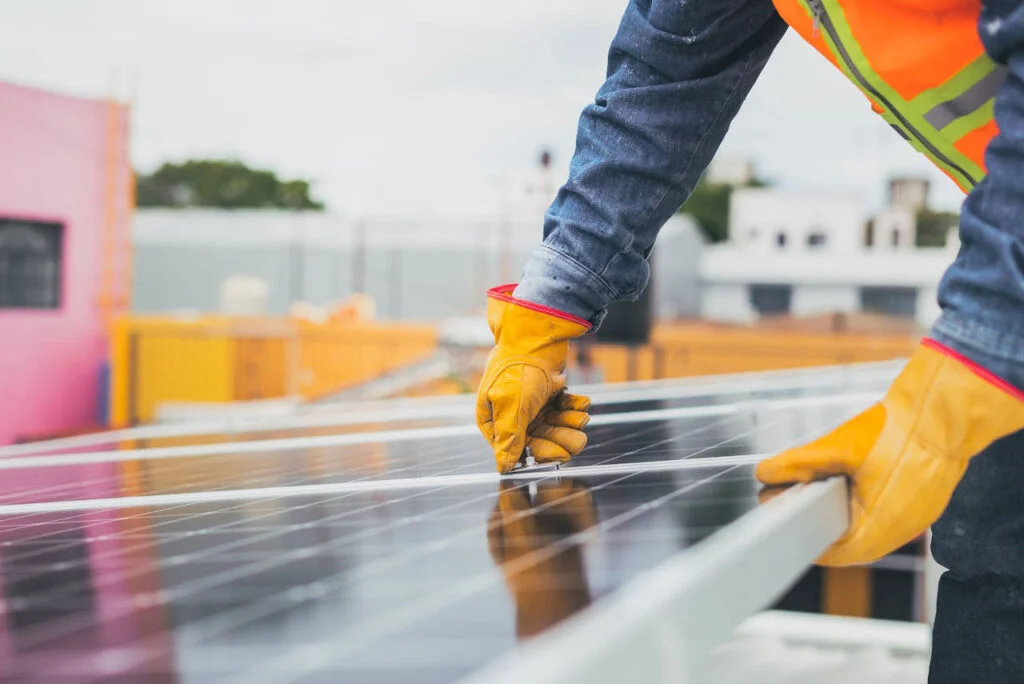
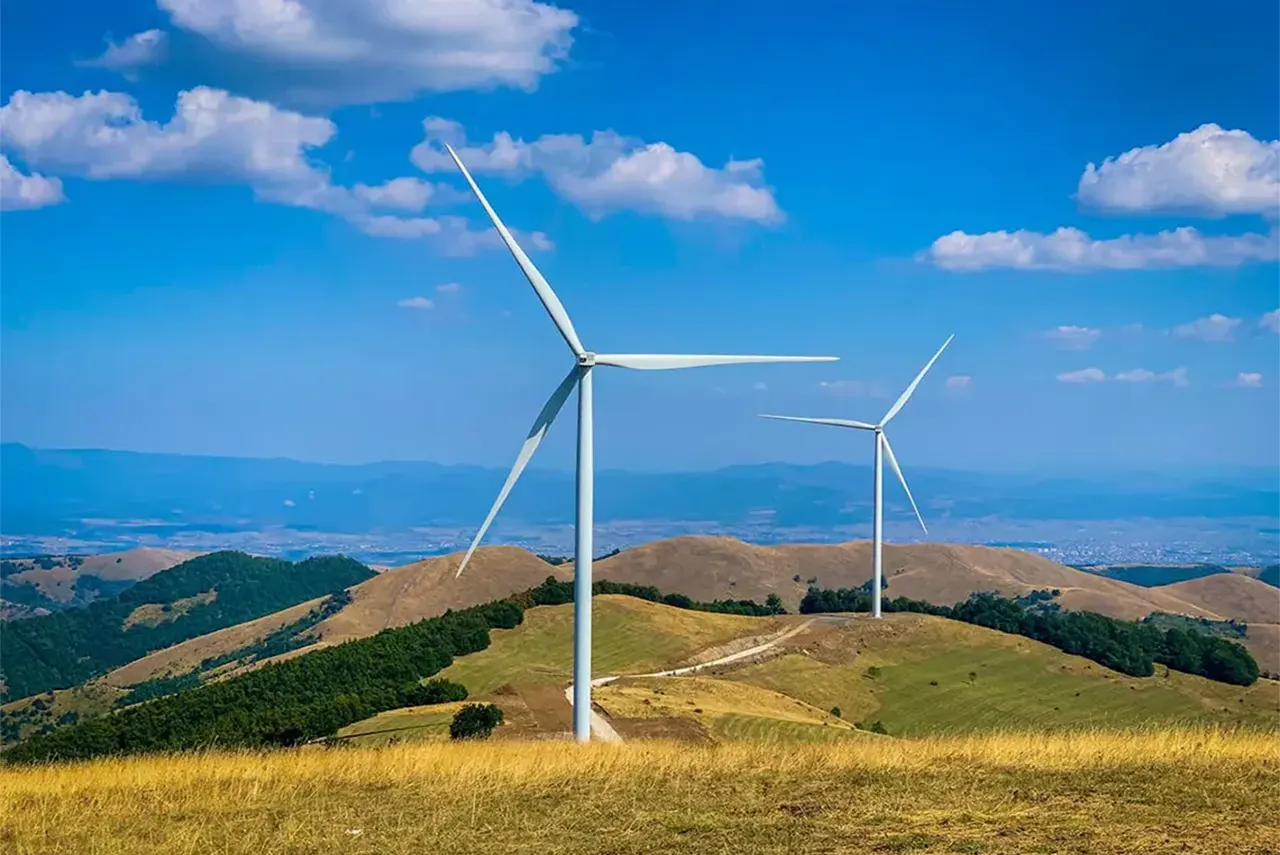
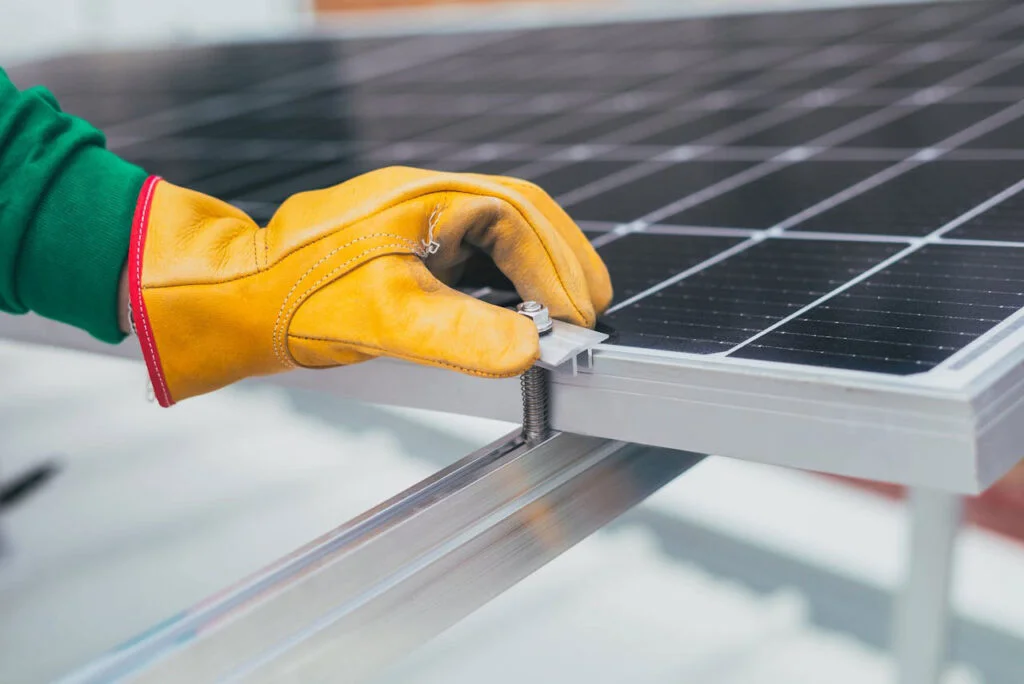
    Under the Green Framework Agreement, Denmark and Pakistan enjoy close cooperation on Pakistan’s green and just energy transition. The Danish Energy Agency has been working closely with Pakistan’s energy authorities – as part of the Danish Energy Transition Initiative (DETI), successfully executed between 2021 and 2025, and now converted into a three-year energy cooperation program under Strategic Sector Cooperation (SSC) – to support the development of sustainable infrastructure in Pakistan through Danida Sustainable Infrastructure Finance (DSIF) and other development financing instruments. In addition to this, Impact Fund Denmark (IFD) recently approved financing for the Eastern Wastewater Treatment Plant in Faisalabad, the largest such facility in the region, treating approximately 33 million gallons of sewage daily, with the goal of creating healthier communities, reducing groundwater contamination, and visibly improving the urban environment.
  3. Trade, Investment and Job Creation
    Recognizing both Denmark and Pakistan’s strong potential in areas such as the energy transition, water management, health, medical services and products, agriculture and food, logistics, digitalization, and green solutions, the two countries have demonstrated a common interest in promoting trade and investment between the two. In this context, a bilateral MoU on Public-Private Partnerships for sustainable infrastructure and active trade delegation exchanges is steadily expanding economic ties across key sectors, while also encouraging knowledge exchange and capacity building between the two countries.
proj

Renewable Energy Transition Study

  • Research Theme: Energy Policy
  • Partner: World Bank
  • Team-Members:Ubaid ur Rehman Zia, Khalid Waleed, Nismah, Umer, Saira
View Details
proj

Climate Resilience Program

  • Research Theme: Climate & Environment
  • Partner: UNDP Pakistan
  • Team-Members: Ubaid ur Rehman Zia, Nismah, Umer, Saira
View Details
proj

Renewable Energy Transition Study

  • Research Theme: Energy Policy
  • Partner: World Bank
  • Team-Members:Ubaid ur Rehman Zia, Khalid Waleed, Nismah, Umer, Saira
View Details
proj

Climate Resilience Program

  • Research Theme: Climate & Environment
  • Partner: UNDP Pakistan
  • Team-Members: Ubaid ur Rehman Zia, Nismah, Umer, Saira
View Details
proj

Renewable Energy Transition Study

  • Research Theme: Energy Policy
  • Partner: World Bank
  • Team-Members:Ubaid ur Rehman Zia, Khalid Waleed, Nismah, Umer, Saira
View Details
proj

Renewable Energy Transition Study

  • Research Theme: Energy Policy
  • Partner: World Bank
  • Team-Members:Ubaid ur Rehman Zia, Khalid Waleed, Nismah, Umer, Saira
View Details
proj

Renewable Energy Transition Study

  • Research Theme: Energy Policy
  • Partner: World Bank
  • Team-Members:Ubaid ur Rehman Zia, Khalid Waleed, Nismah, Umer, Saira
View Details
proj

Renewable Energy Transition Study

  • Research Theme: Energy Policy
  • Partner: World Bank
  • Team-Members:Ubaid ur Rehman Zia, Khalid Waleed, Nismah, Umer, Saira
View Details
proj

Climate Resilience Program

  • Research Theme: Climate & Environment
  • Partner: UNDP Pakistan
  • Team-Members: Ubaid ur Rehman Zia, Nismah, Umer, Saira
View Details